
Gaming Lounge POS
A desktop point-of-sale and player management system built for gaming lounges.
Overview
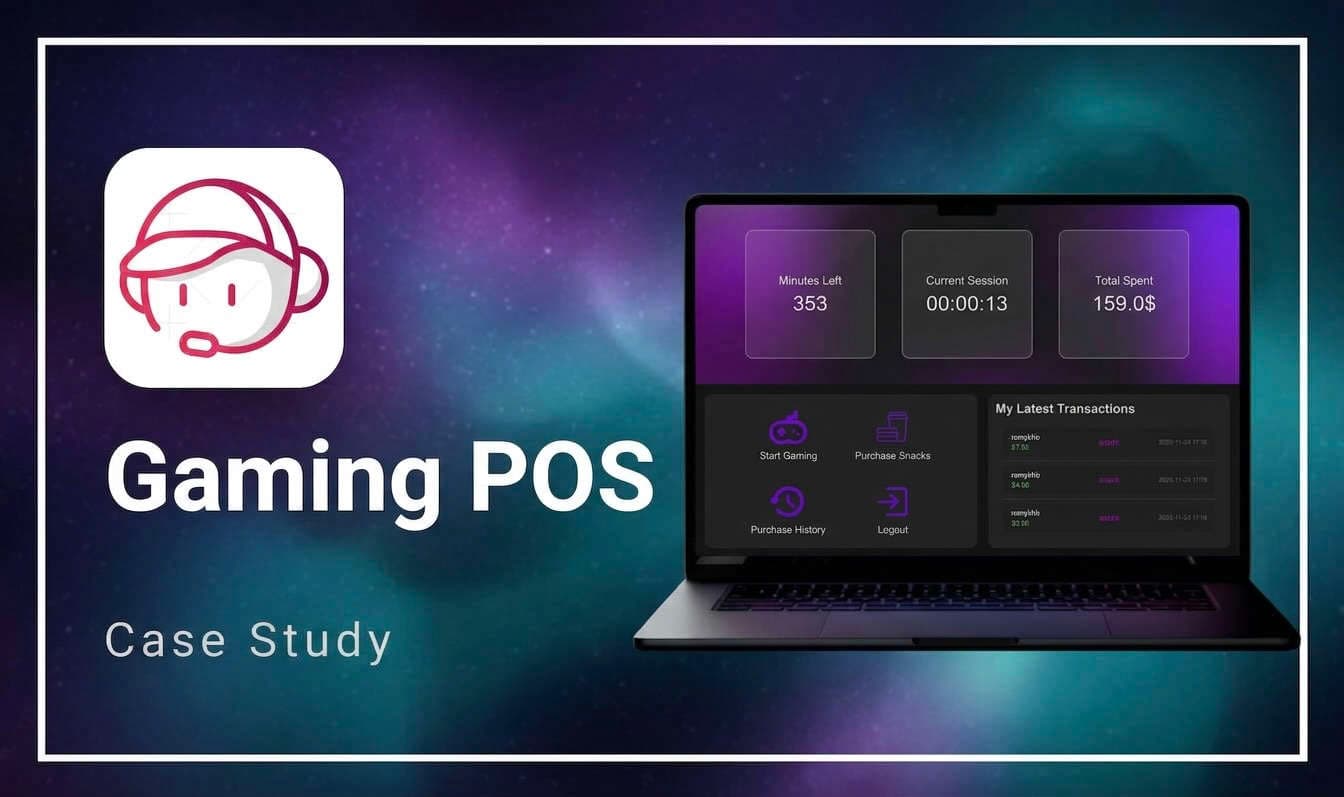
Gaming Lounge POS is a desktop application designed for gaming cafés and lounges. It provides separate interfaces for administrators and players, allowing efficient management of customers, snacks, coupons, transactions, and gameplay time while delivering a streamlined customer experience.
The problem
Gaming lounges often rely on manual processes for tracking customer playtime, snack purchases, coupons, and payments, leading to inefficiencies and inaccurate records.
The solution
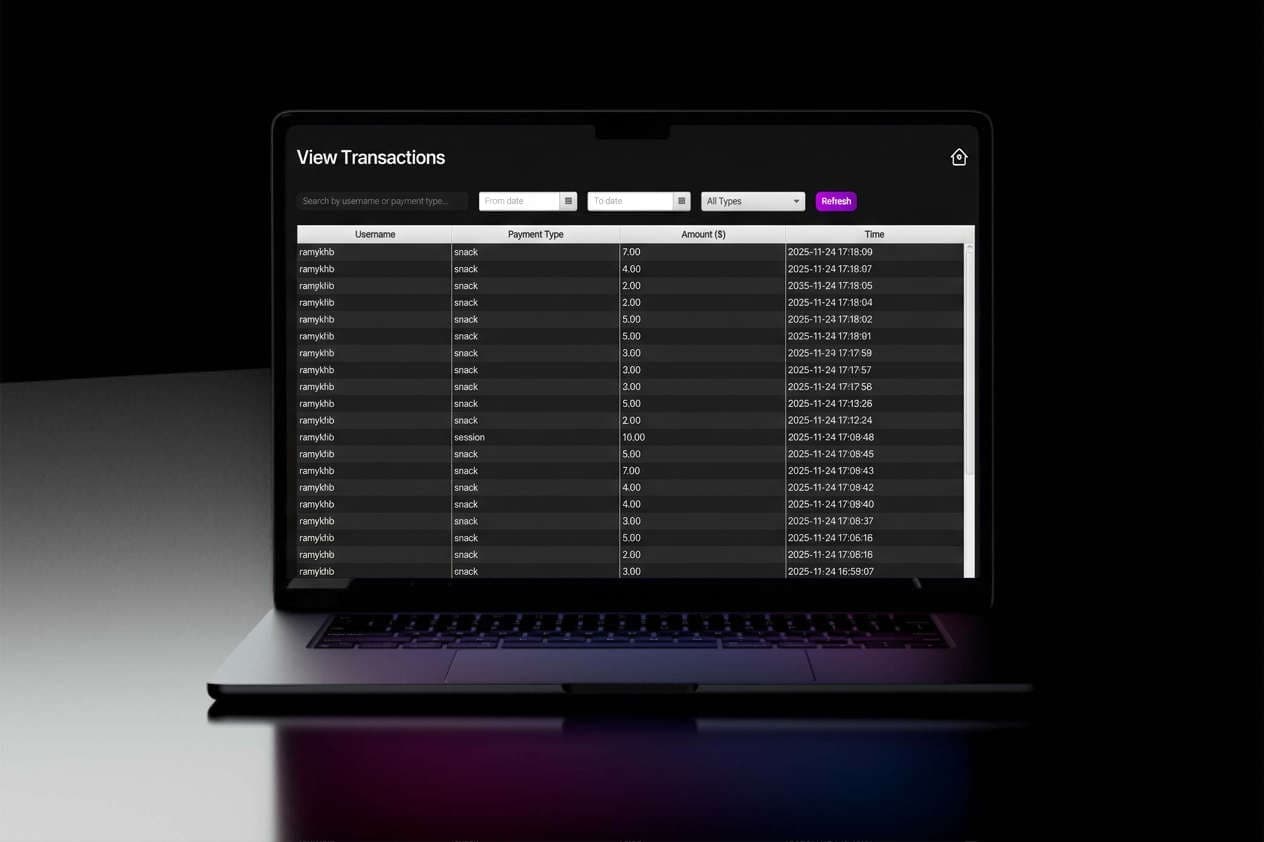
The system centralizes lounge operations by providing automated playtime tracking, POS functionality, QR coupon redemption, transaction history, receipt generation, and comprehensive administrative tools in a single desktop application.
Features
Automated Playtime Tracking
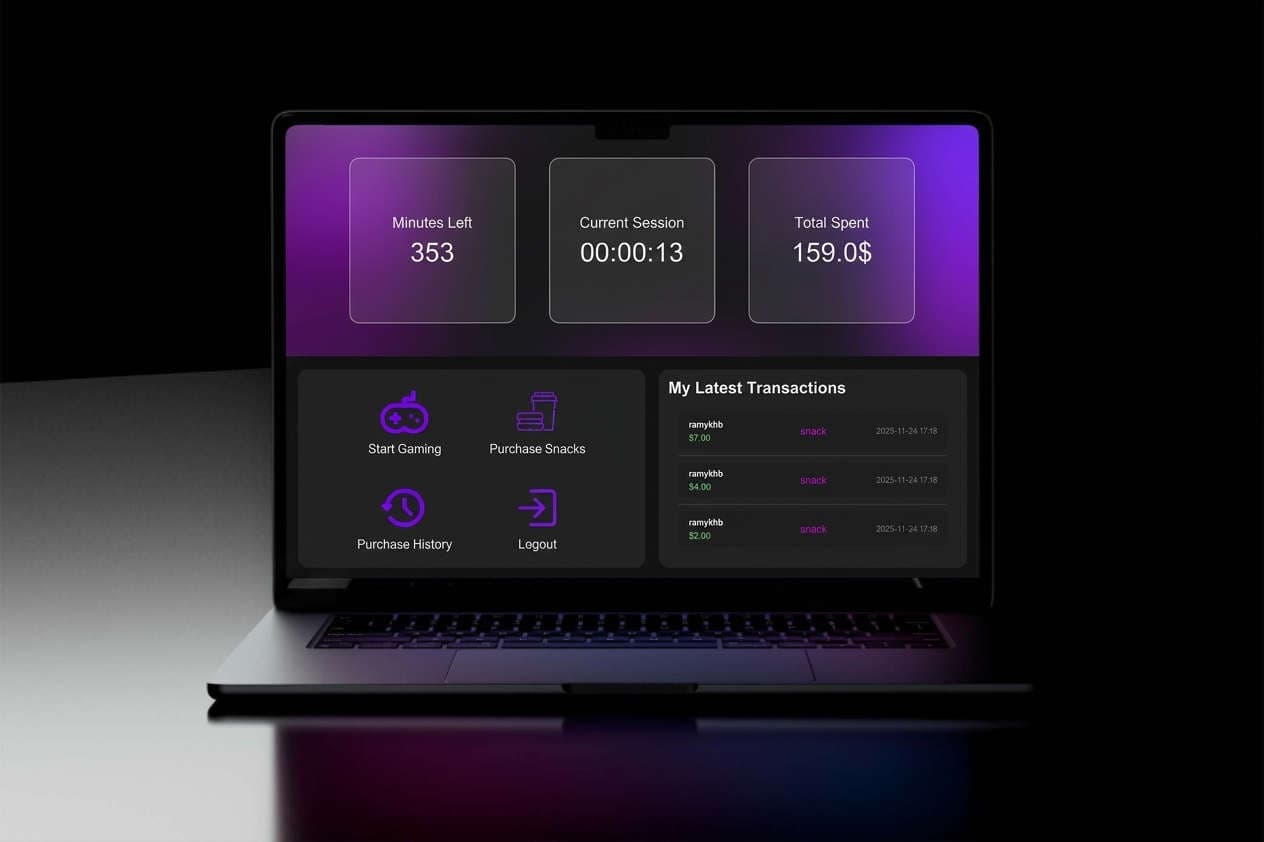
A dedicated thread tracks session duration while decrementing remaining purchased playtime in real time.
Point of Sale System
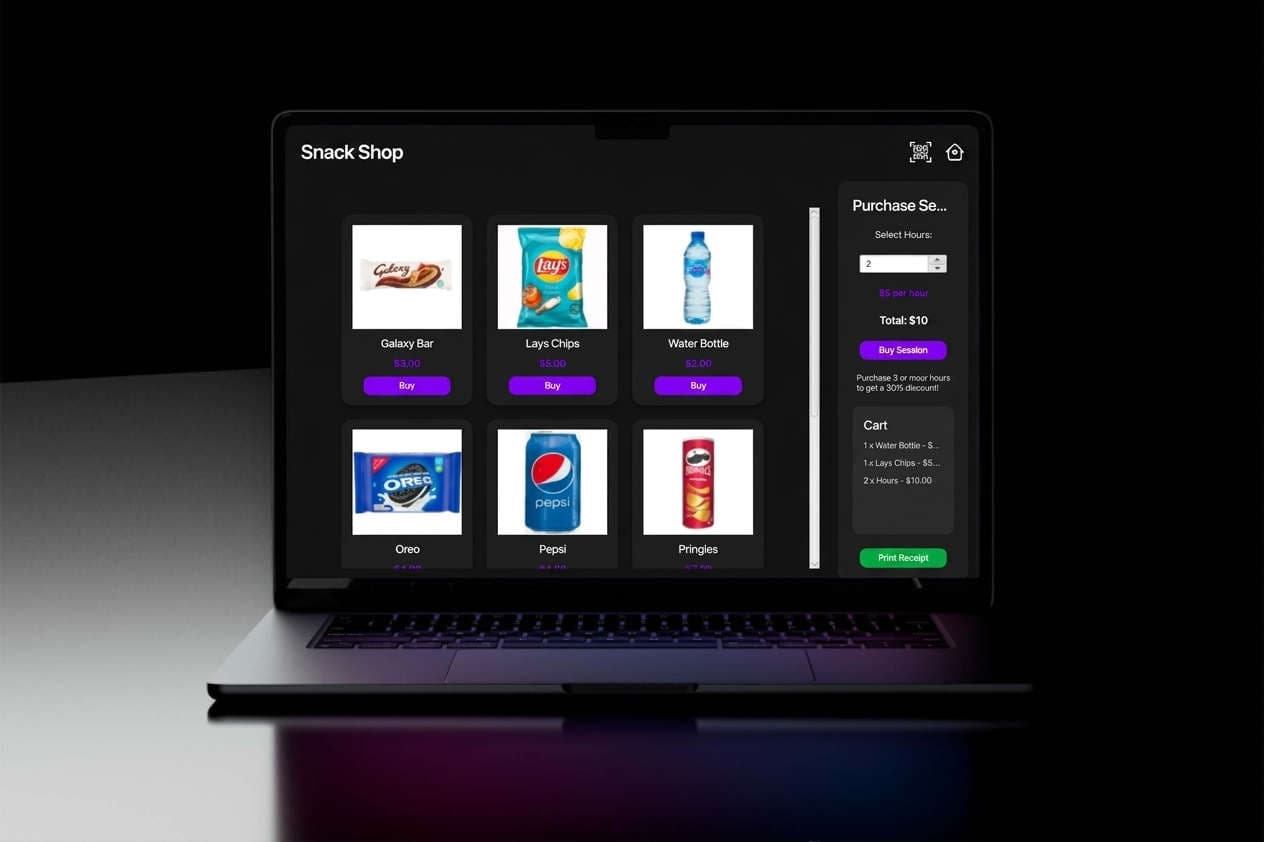
Players can purchase snacks and additional playtime directly through the application.
QR Coupon Redemption
Administrators generate QR coupons that players can scan to claim bonus playtime.
Receipt Generation & Email Delivery
Transactions can be printed as receipts and sent to customers through email.
Mini Games
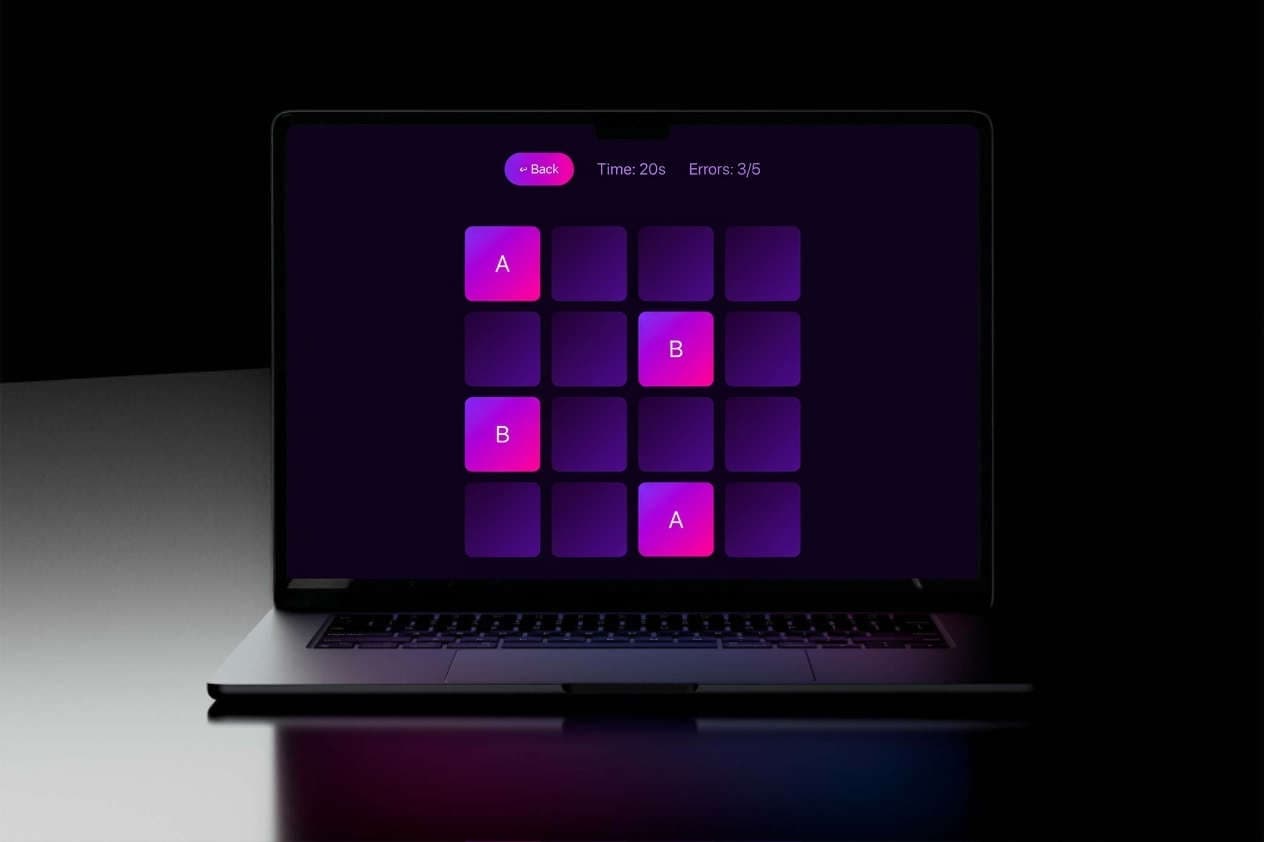
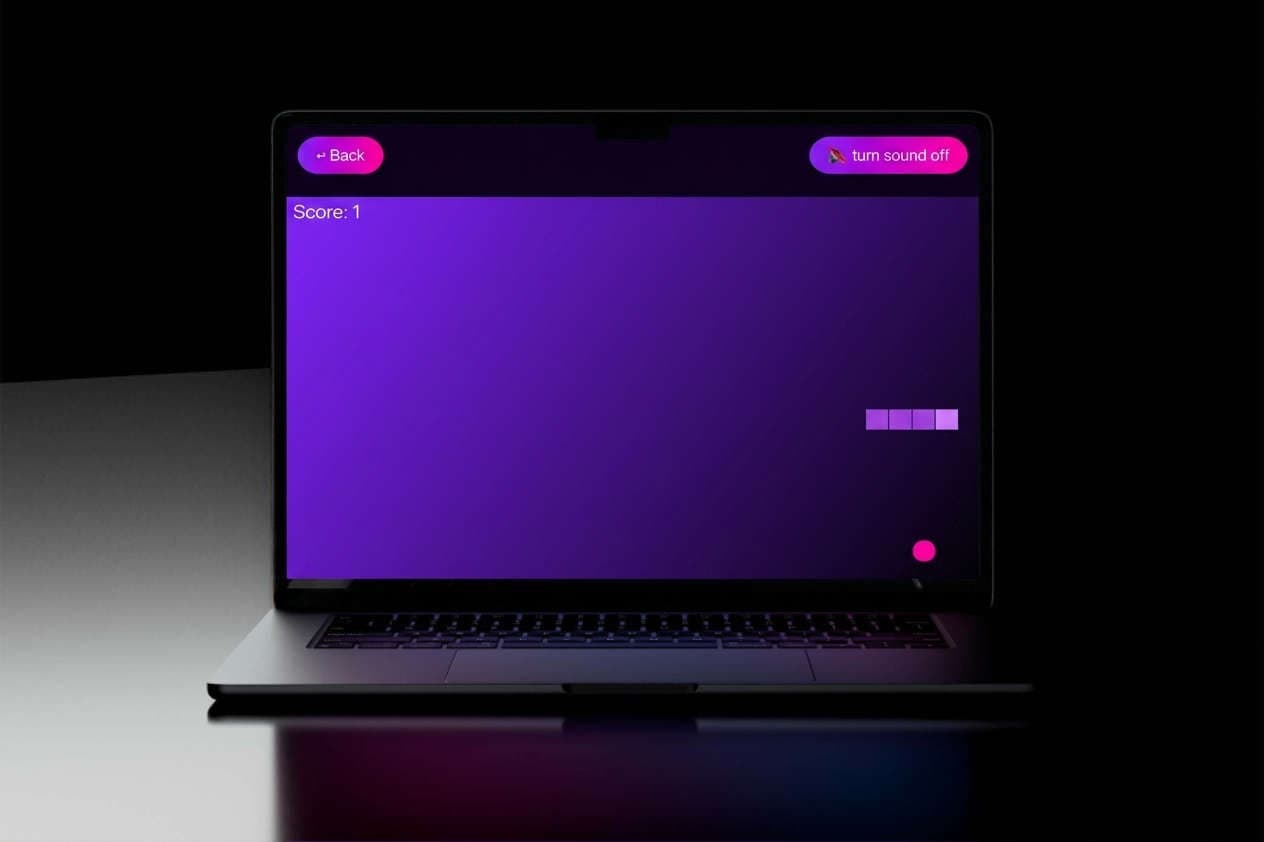
Includes Memory Game and Snake Game that players can access while they have active playtime.
Architecture
The application is built using JavaFX for the desktop interface, CSS for custom styling, and MySQL for persistent storage. Background threads continuously track active player sessions, while role-based interfaces separate administrative operations from player functionality.
- JavaFX
- CSS Styling
- Player Interface
- Admin Interface
- Time Tracking
- POS Operations
- Coupon Management
- Transactions
- Memory Game
- Snake Game
- Session Control
- MySQL
- Users
- Snacks
- Transactions
- Coupons
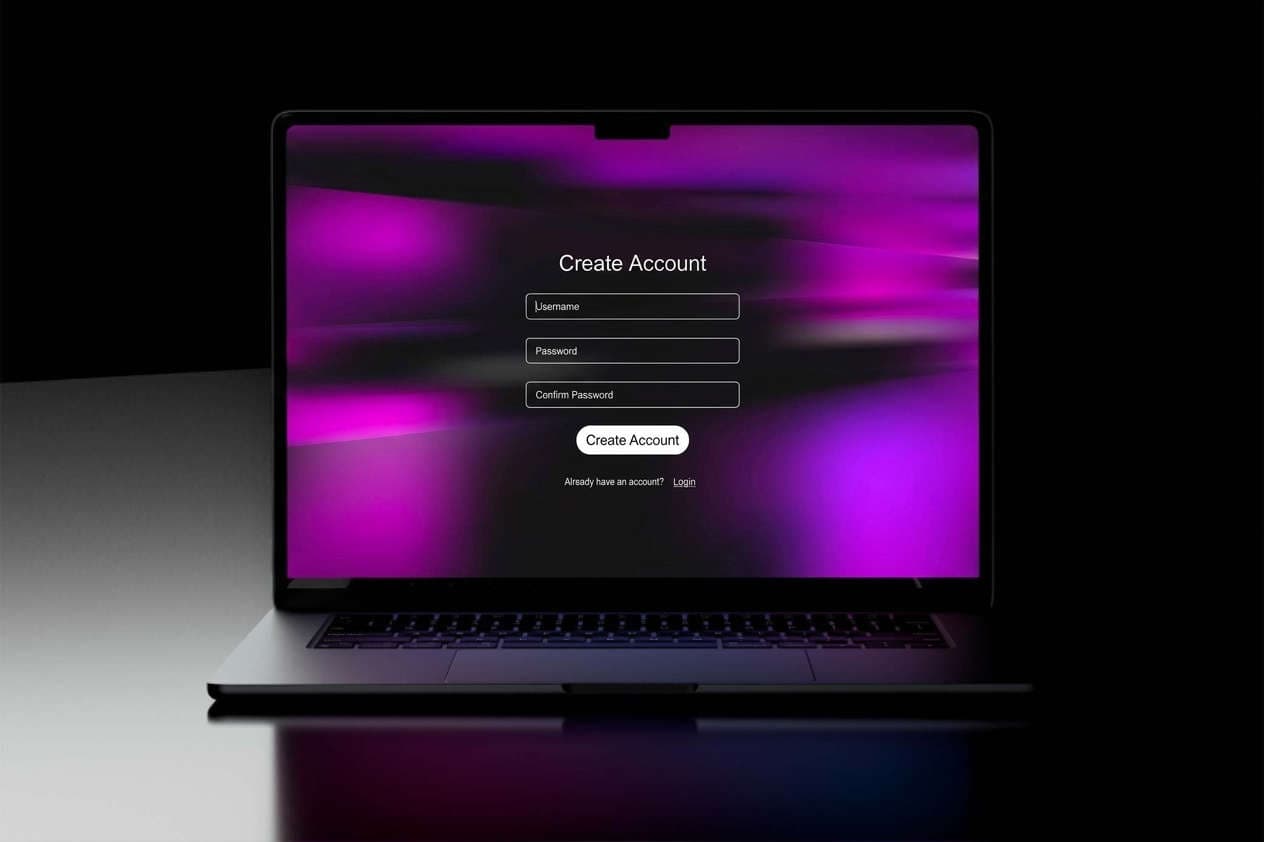
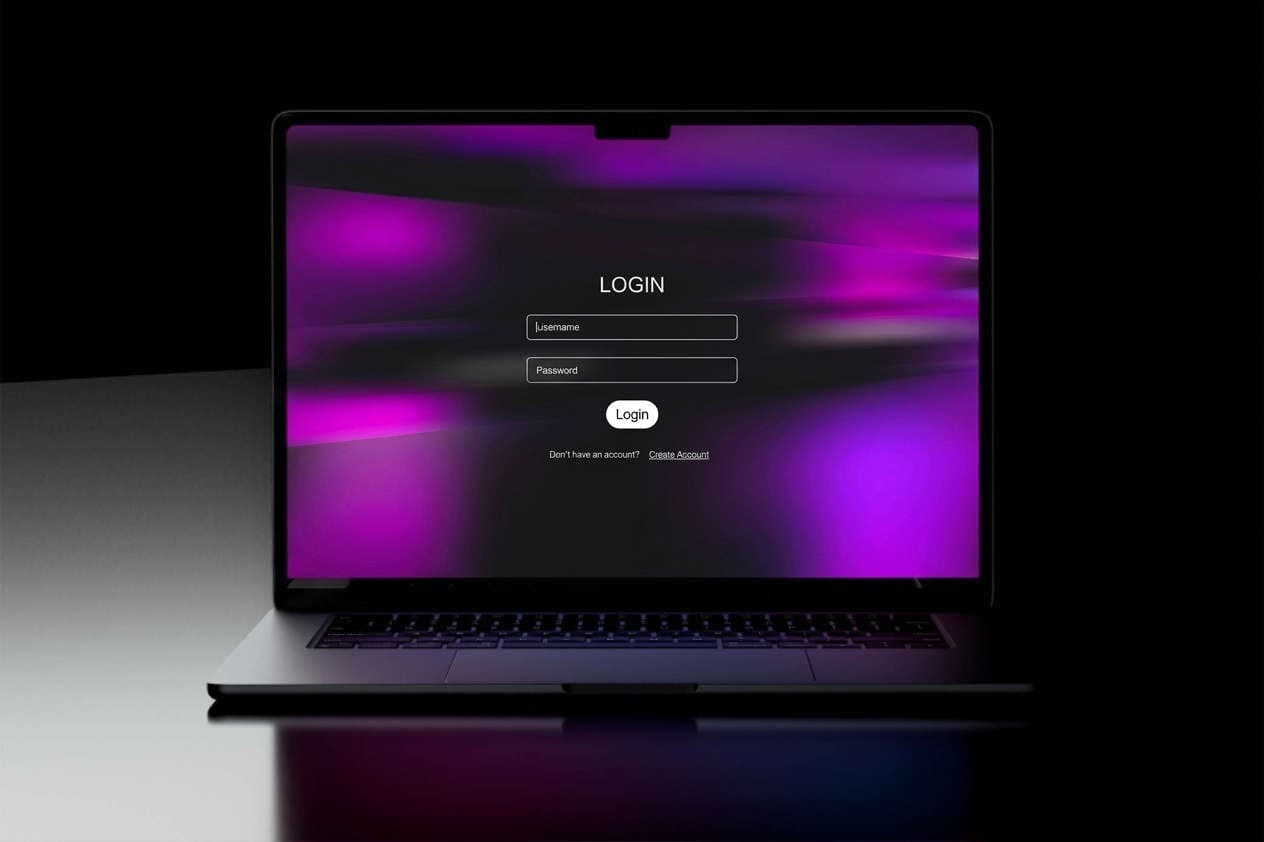
Screenshots
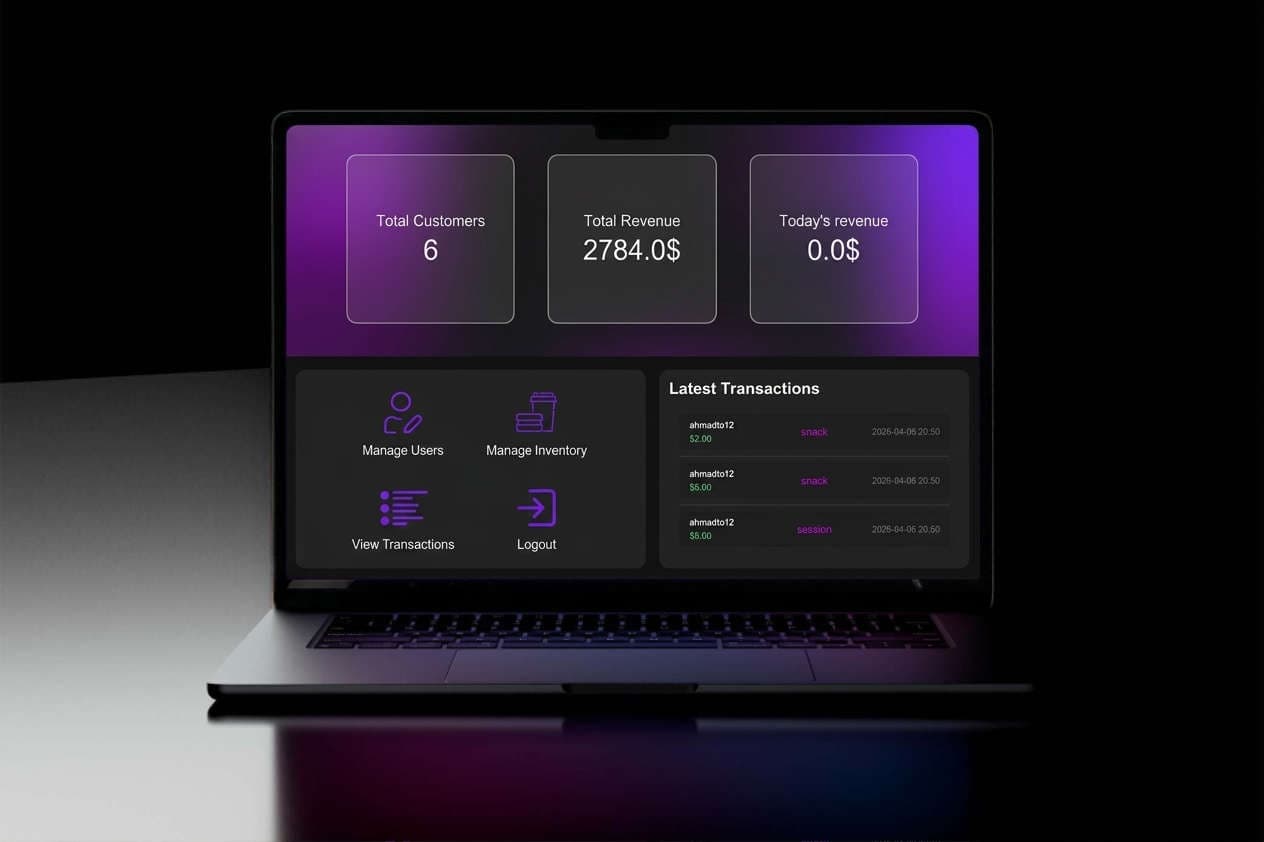
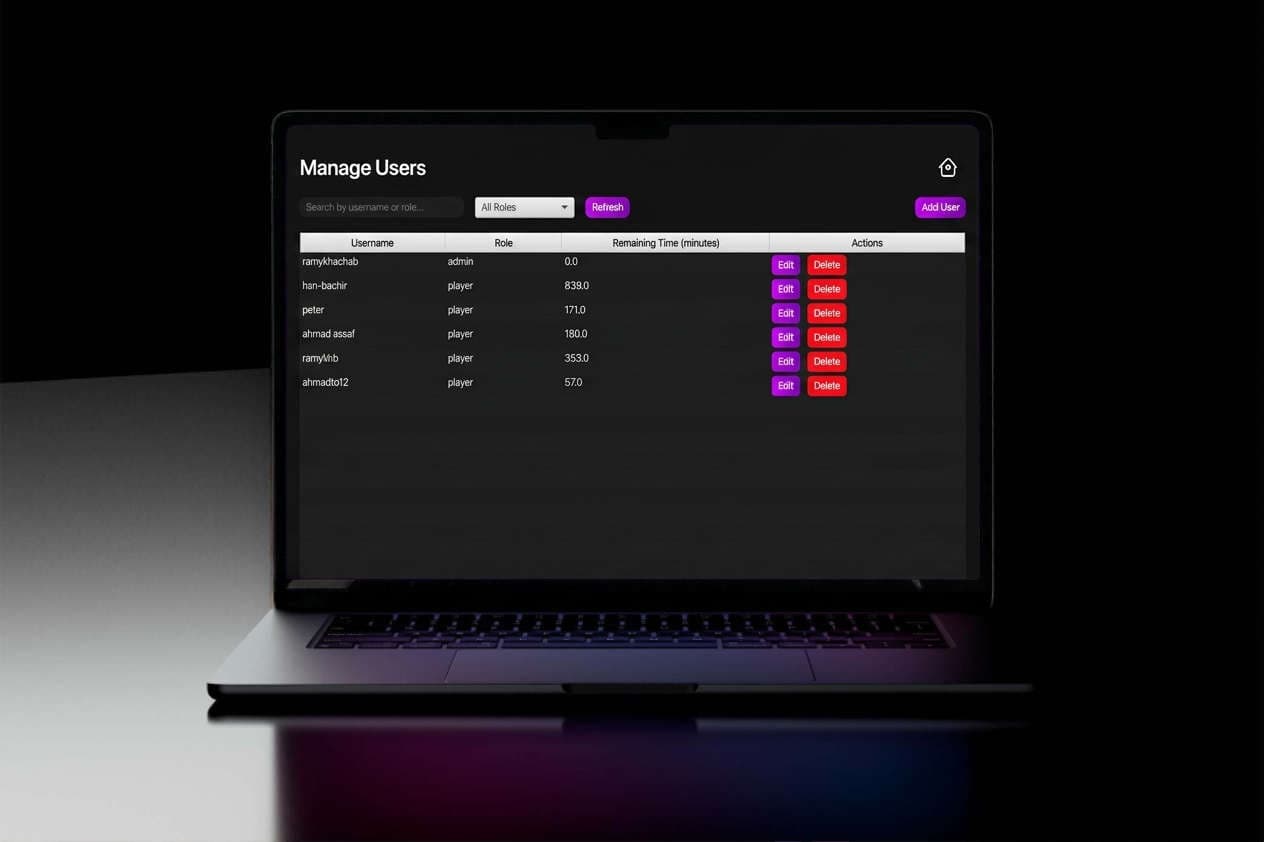
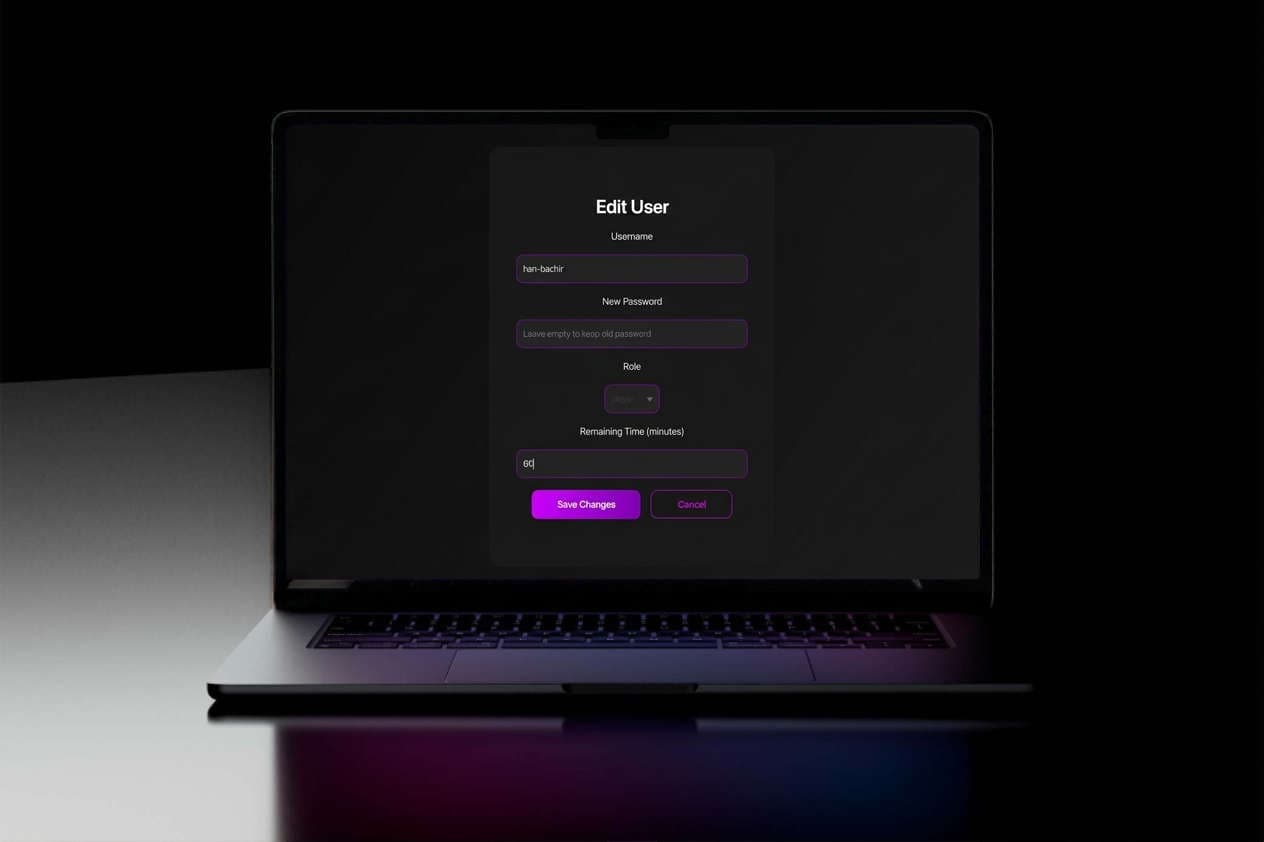
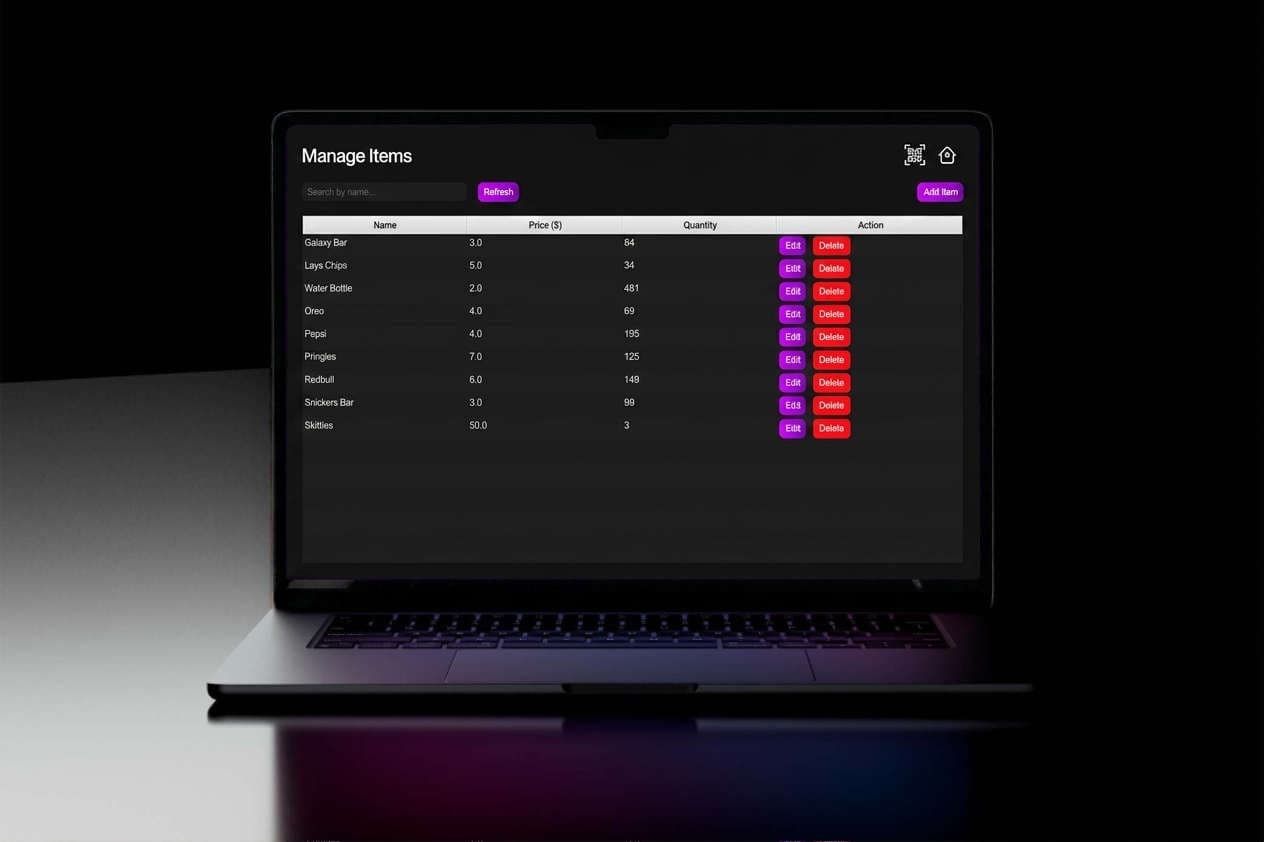
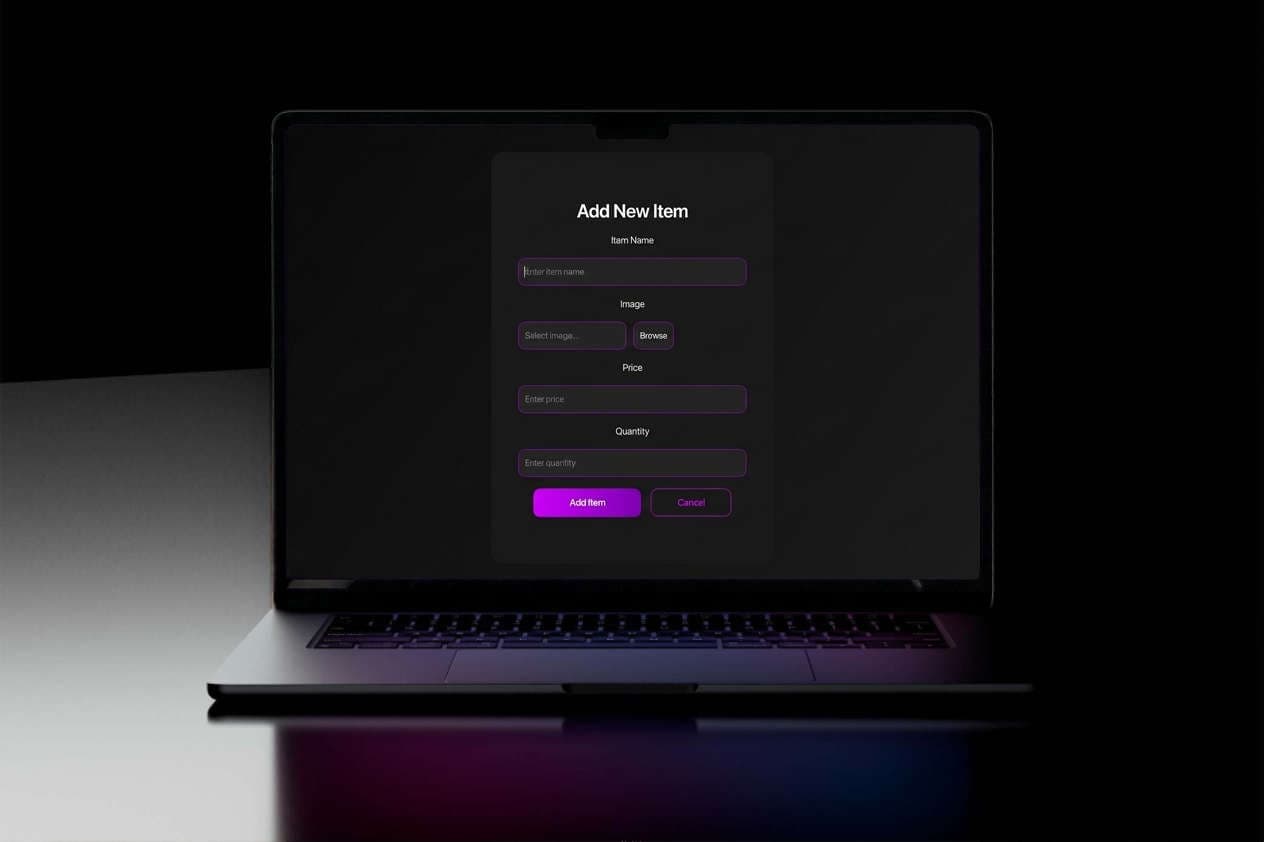
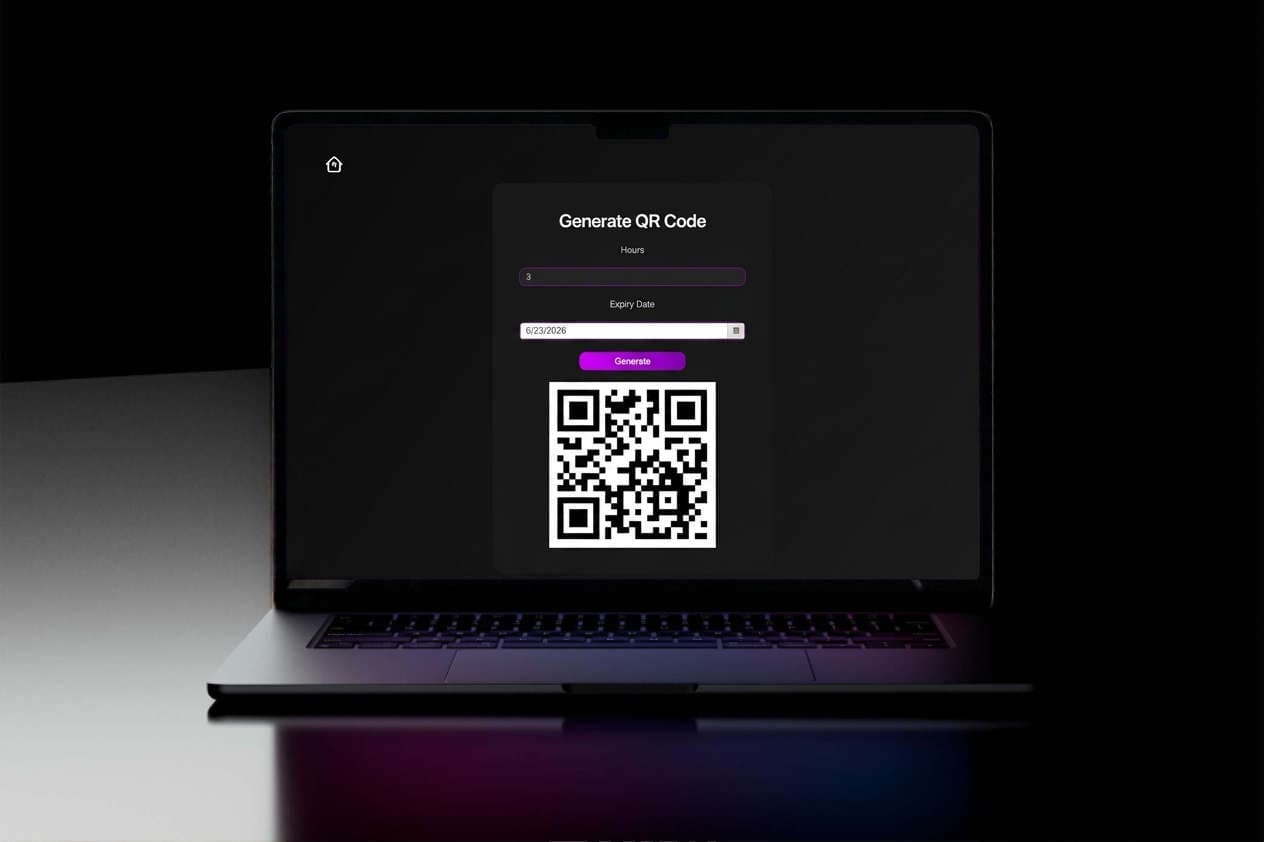
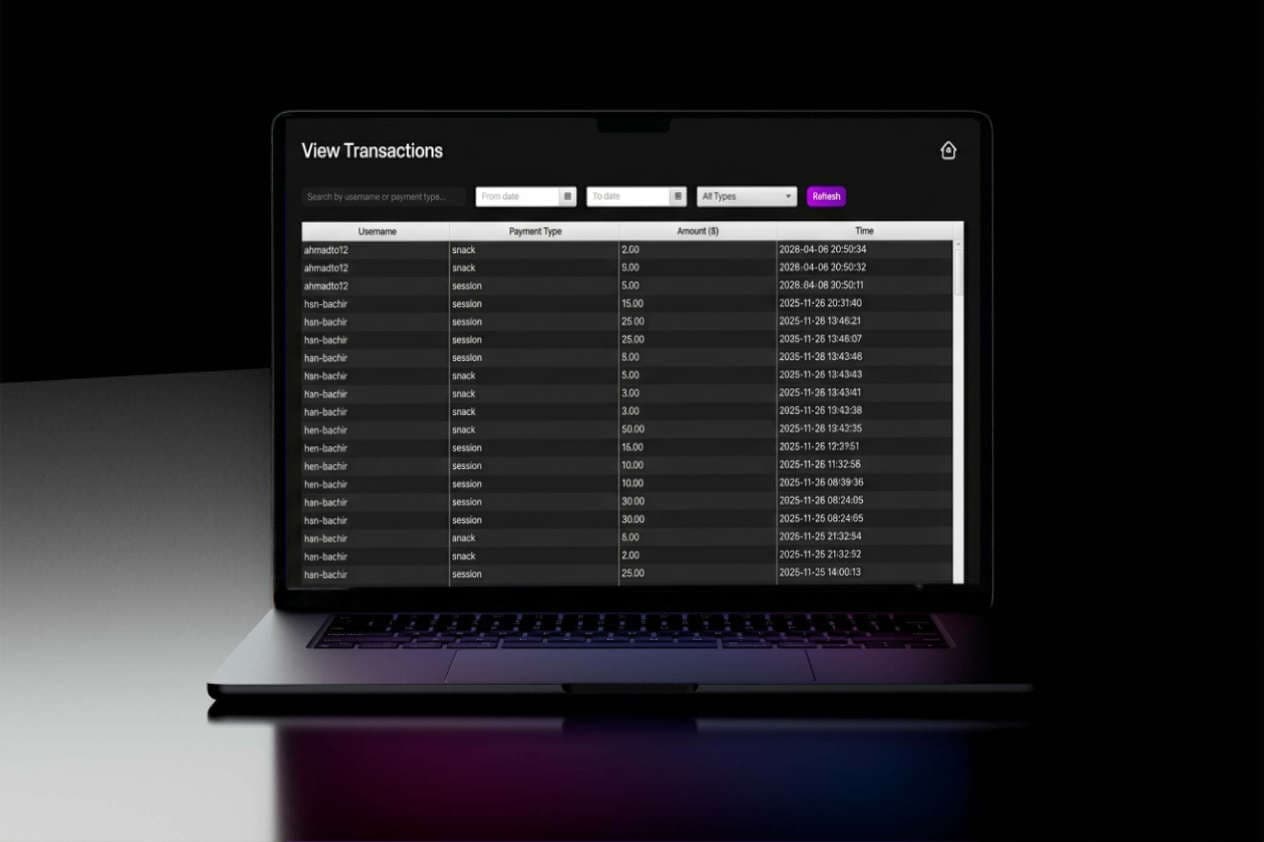
Challenges
Real-Time Session Management
Implementing reliable background-thread time tracking while keeping the user interface responsive required careful synchronization and state management.
Role-Based Desktop Experience
Designing distinct workflows for players and administrators while sharing the same application architecture required a flexible permission system.
Lessons learned
- JavaFX provides a powerful foundation for complex desktop business applications.
- Background threads must be carefully managed when updating time-sensitive user data.
- Role-based design greatly improves maintainability for multi-user systems.
- Combining POS operations with customer session tracking creates a more efficient gaming lounge workflow.